Is Overtime Tax-Free Now? What It Actually Means for Your Paycheck (2026 Guide)
Is overtime tax-free now? Learn the real 2026 federal and state tax rules, exemptions, and how overtime affects your paycheck and tax bracket.
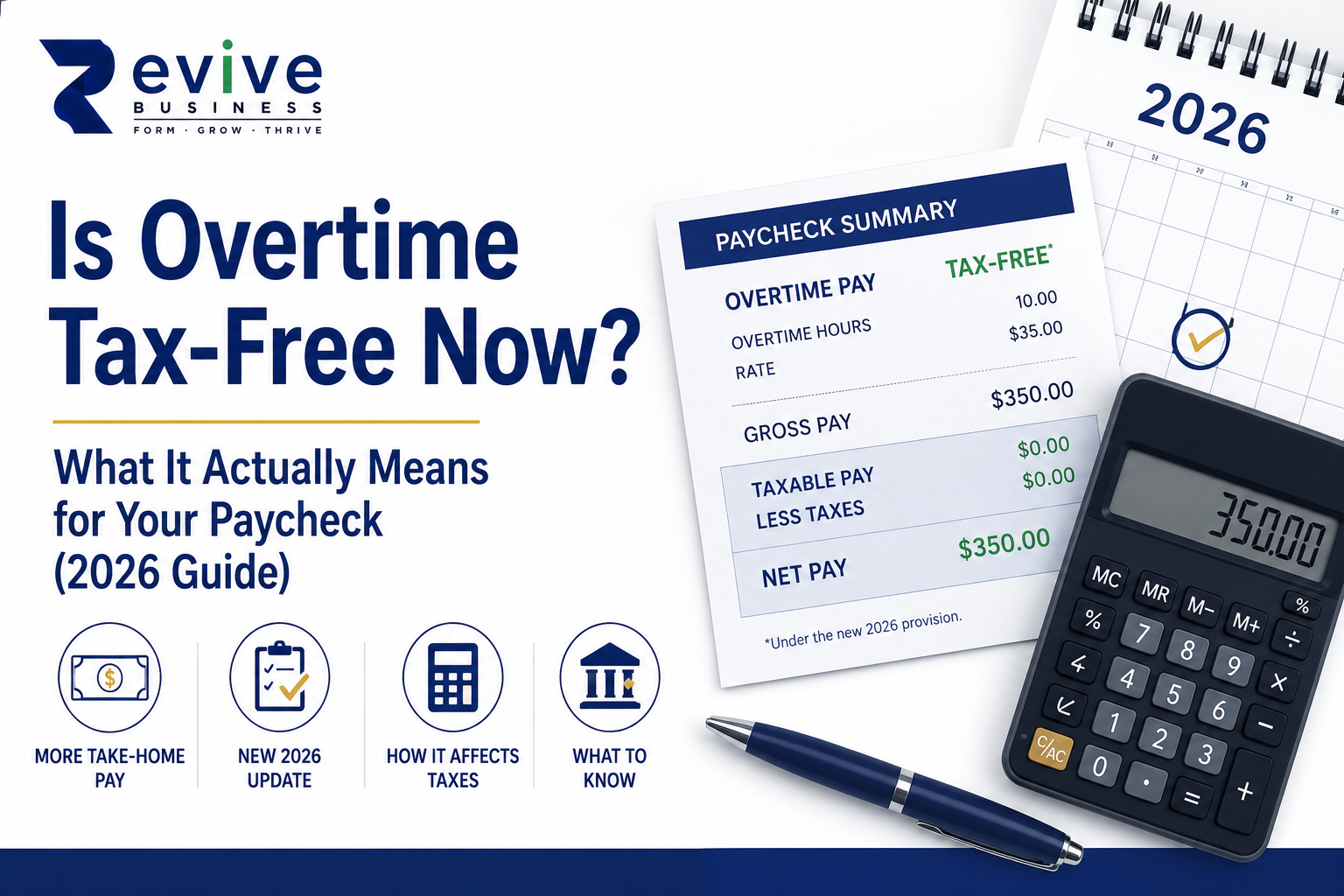
As of 2026, overtime pay is still taxable in the United States. While there is no federal law to make overtime tax-free, the concept has been talked about in Congress and may be discussed in the future.
Here are lessons from the current overtime tax system, what the proposed “no tax on overtime” policy would mean, and what workers should know in the future.
What Is the “No Tax on Overtime” Proposal?
No tax on overtime is an option that is being considered for a tax reform proposal that would allow overtime wages to be earned over the 40-hour limit without paying federal income taxes.
At present, U.S. tax law does not differentiate between overtime pay and regular wages.
If you work overtime, your overtime pay is:
-
The additional income you receive is added to your total income.
-
Taxed at your normal income tax bracket
The proposal hopes to provide better compensation to workers who work overtime, particularly in sectors such as:
-
Healthcare
-
Construction
-
Manufacturing
-
Transportation and logistics
Is Overtime Tax-Free Right Now?
No. In the U.S., as time passes, wages remain fully taxed.
At the federal level, no legislation prevents overtime pay from being taxed.
Overtime wages must be paid at:
-
Money earned from the federal income tax (IRS rules)
-
Social Security tax (6.2%)
-
Medicare tax (1.45%)
-
Income tax (if applicable)
The rules of the Internal Revenue Service have not yet changed the definition of overtime wages as regular taxable income.
How Overtime Pay Is Currently Taxed
Overtime wages are not exempt from income taxes, but they are included in the total income.
Example:
If an employee's total weekly earnings (including overtime) are $1,650, then their total weekly earnings are used to calculate taxes under the tax bracket and payroll taxes.
Why the Proposal Matters for Workers
Backers of the measure contend it would benefit those who work longer hours, as they would retain a larger share of overtime pay.
Healthcare, manufacturing, construction, transportation, logistics, and other sectors are industries that heavily depend on overtime. The amount of overtime pay that many workers lose regularly to taxes is significant.
Workers who regularly work overtime might begin to notice a difference in their pay around the year if overtime wages were no longer subject to federal income tax.
This could also incentivize more workers to take the extra hours, as the pay would be greater.
What Would Need to Happen for the Law to Pass?
According to its supporters, the policy would:
-
Increase take-home pay for employees working overtime
-
Encourage a greater labor supply in high-demand sectors where additional working hours are needed
-
Decrease taxes on critical sectors of the economy that require labor.
-
Industries most affected:
Healthcare workers
-
Truck drivers
-
Factory workers
-
Emergency service employees
However, critics contend that it might:
-
Increase the federal budget deficit by reducing tax revenue.
-
Complicate payroll systems
-
Encourage recognition and incentives for industries that rely on unpaid or excessive working hours instead of fairly compensating employees for additional labor.
In the United States, the IRS has the current tax rules (Internal Revenue Code) in place that stipulate that overtime wages are regular wages and therefore taxable accordingly. As of 2026, there is no federal law to exempt overtime pay from taxes.
How to Prepare for Possible Overtime Tax Changes
Although the law has not changed yet, there are a few practical steps workers can take now.
-
Review Your Current Overtime Earnings
Look at recent pay stubs to see how much of your income comes from overtime pay. This can help you estimate how much you could potentially save if overtime wages become tax-exempt.
2. Monitor Payroll Withholding
If new tax laws are introduced, employers will need to update payroll withholding systems. Reviewing your paychecks regularly can help you spot errors or incorrect withholding amounts.
3. Update Your W-4 if Necessary
If overtime wages eventually become exempt from federal income tax, some employees may need to adjust their W-4 withholding elections to avoid overpaying taxes throughout the year.
4. Prepare for Tax Filing Changes
If a law takes effect in the middle of a tax year, some overtime income may remain taxable while later overtime earnings could become exempt. This may create additional complexity when you file your federal tax return, especially if different tax rules apply to overtime earned before and after the law takes effect.
Tip: Workers with more complicated tax situations may benefit from speaking with a CPA or tax professional.
Payroll Taxes vs. Income Taxes: What’s the Difference?
Many workers confuse federal income taxes with payroll taxes, but they are not the same thing. Most proposals related to "no tax on overtime" focus only on federal income tax. Even if overtime wages eventually become exempt from federal income taxes, other payroll taxes would likely still apply.
Understanding payroll tax requirements is important because Social Security, Medicare, and applicable state taxes may still be withheld from overtime earnings even if federal income tax rules change.
These may include:
-
Social Security tax (6.2%)
-
Medicare tax (1.45%)
-
State income taxes, depending on where you live
This means workers would probably still see some taxes withheld from overtime paychecks, even under a future exemption policy.
Frequently Asked Questions
Will I get a refund if the overtime tax exemption passes mid-year?
If a future law changes how overtime is taxed during a tax year, it would depend on how the legislation is written.
If overtime earnings were taxed earlier in the year but later made exempt, taxpayers may be eligible for a refund of over-withheld taxes when filing their federal tax return. However, this would depend entirely on IRS implementation rules for that specific law.
Does "no tax on overtime" apply to salaried employees?
Most salaried employees are classified as exempt from overtime under the Fair Labor Standards Act (FLSA), meaning they do not receive overtime pay.
For non-exempt salaried employees who do receive overtime compensation, the same federal tax rules apply as for hourly workers.
Is overtime tax-free now in any state?
At the time of writing, no U.S. state broadly exempts overtime wages from state income taxes. However, some states are closely monitoring federal tax policy discussions and could introduce similar proposals in the future.
How will I know if the law has passed?
Watch for announcements from the IRS newsroom, your state's department of revenue, and reputable financial news sources. Your employer's payroll department will also receive guidance on when and how to update withholding.
Should I work more overtime now or wait?
Overtime pay remains beneficial under current law because it is still fully taxable income, but increases total earnings.
Any future tax exemption would depend on legislation being passed and implemented. There is currently no confirmed timeline for such a change.
Final Thoughts
The “no tax on overtime” proposal remains a policy discussion, not current law in 2026. For now, overtime pay is still fully taxable under federal income tax rules.
If passed in the future, it could significantly increase take-home pay for workers who regularly earn overtime, but implementation would depend on Congressional approval and IRS enforcement guidelines.
Need help understanding payroll tax requirements, updating your withholding, or preparing to file your federal tax return if overtime tax laws change? Revive Business can help you stay compliant, understand how new tax rules may affect your paycheck, and prepare for any future IRS updates with confidence